Gas Safety Certificate Guide: Landlord Legal Requirements Explained

Owning or managing a rental property comes with important legal responsibilities. One of the most important is making sure every gas appliance is safe for your tenants to use. A Gas Safety Certificate helps prove that your property has been inspected by a qualified Gas Safe registered engineer and meets current safety requirements. This guide explains what a Gas Safety Certificate is, why it matters, who needs one and how Smart Property Checks can help you stay compliant.

If you own, manage or are the “Responsible Person” for a qualifying building, this guide explains exactly what’s changed, whether it applies to you, and what you need to do to stay compliant. If you’d like a professional to check your building and carry out the required assessment, Smart Property Checks offers Gas Safety Assessments across London and the UK.

What Is a Gas Safety Certificate?

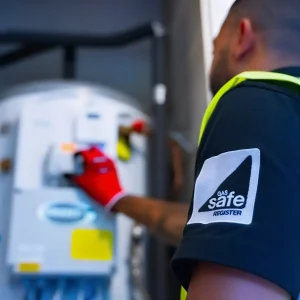
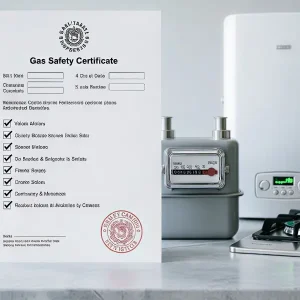
A Gas Safety Certificate, often called a CP12 Certificate, is an official document issued after a Gas Safe registered engineer inspects the gas appliances, pipework and flues within a property. The inspection confirms whether they are safe to use or whether repairs are required.

Who Needs a Gas Safety Certificate?

Most landlords renting residential properties with gas appliances must arrange a gas safety inspection every year. Providing a safe home protects tenants and helps landlords meet their legal obligations.

What Does the Inspection Include?

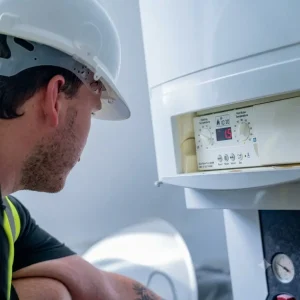
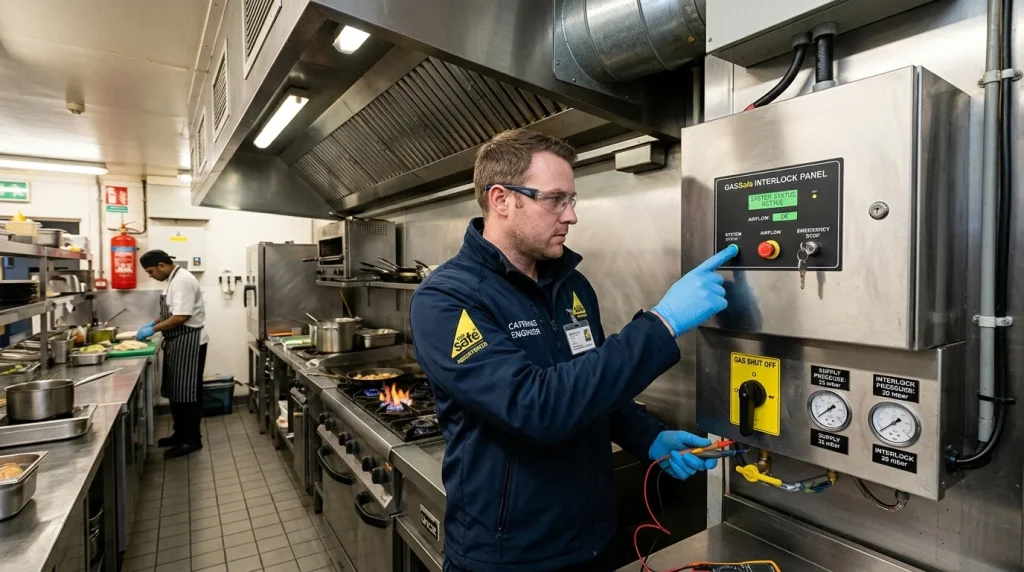
During the inspection, the engineer checks boilers, cookers, gas fires, pipework, flues, ventilation, gas pressure and safety devices. If faults are found, they are recorded together with recommendations for repair.

Why Is It Important?

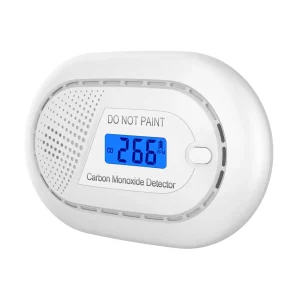
A valid certificate reduces the risk of gas leaks, carbon monoxide poisoning and appliance failures. It also gives tenants confidence that the property is being professionally maintained.

How Often Do You Need One?

A Gas Safety Certificate is normally valid for 12 months. Booking the next inspection before the expiry date helps maintain continuous compliance and avoids unnecessary risk.

Common Reasons a Property May Fail

Common issues include faulty boilers, damaged flues, blocked ventilation, unsafe installations, gas leaks and defective safety controls.

How to Prepare

Ensure all gas appliances are accessible, inform tenants of the appointment, report any known issues and keep previous maintenance records available if possible.

Why Choose Smart Property Checks?

Our experienced team provides reliable inspections, clear reports and friendly advice. We help landlords, letting agents and property managers understand the results and complete inspections with minimal disruption.

Need a professional Gas Safety Certificate for your property? Smart Property Checks provides dependable inspections carried out by qualified professionals. Need help with more than just a Gas Safety Certificate? Smart Property Checks also provides Fire Risk Assessments, EICRs, Energy Performance Certificates (EPCs), and Asbestos Surveys to help landlords and businesses stay fully compliant.

Common Questions

Yes. CP12 is the common name used for the landlord gas safety record.

Only a Gas Safe registered engineer can legally carry out the inspection and issue the certificate.

The time depends on the number of appliances and the size of the property.

Yes. Landlords should provide the required documentation in accordance with legal requirements.

Scroll to Top
0