







Professional Property Safety Inspections Across the UK

Secure your rental property with certified gas, electrical, fire, and EPC checks. Get next-day appointments and stay fully compliant with UK regulations.

For Booking Call : 07825337563

Who we are

About Us

At Smart Property Checks, we understand that being a landlord comes with a heavy responsibility. Navigating the complex web of UK safety regulations—from Gas Safety (CP12) and EICR to Fire Risk Assessments and EPCs—can be overwhelming. That is why we are here.

We are a dedicated team of certified engineers and compliance specialists committed to making property safety simple, fast, and affordable. With instant online pricing, next-day appointment availability, and coverage across London, Buckinghamshire, Bedfordshire, Northampton, and Cambridge, we take the stress out of legal compliance.

Stay Compliant, Stay Protected with Smart Property Safety Certificates.

What we do

Our Services

From gas to electrics, we cover every legal requirement for your rental property.

Fire Risk Assessment

Identify hazards, reduce risks, and stay compliant with fire safety regulations.

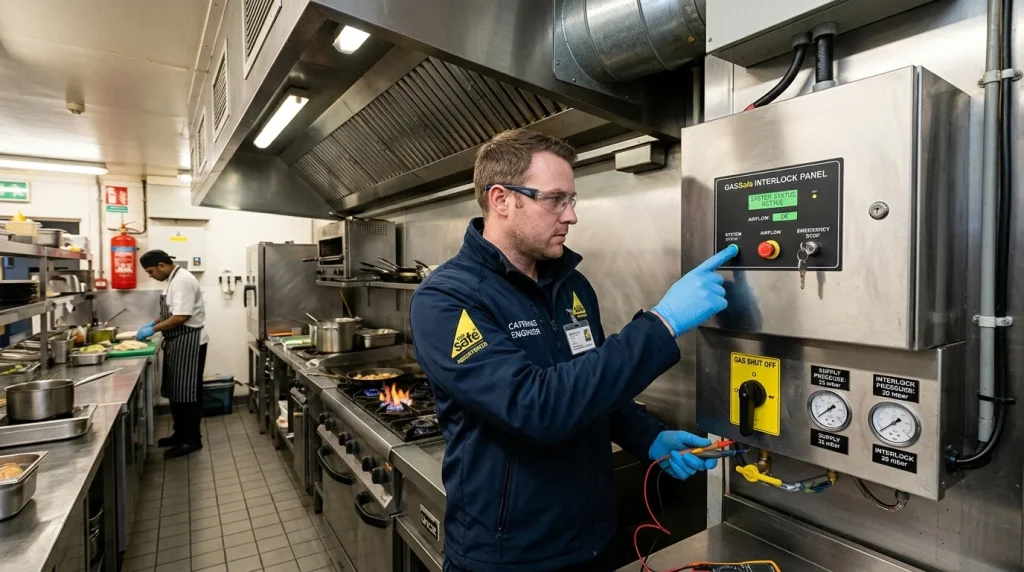
Gas Safety Checks

Certified CP12 (Landlord) or CP42 (Commercial) certificates to ensure gas appliances are safe and meet legal standards.

Energy Performance Certificate (EPC)

Improve your property’s energy rating, save money, and meet legal requirements.

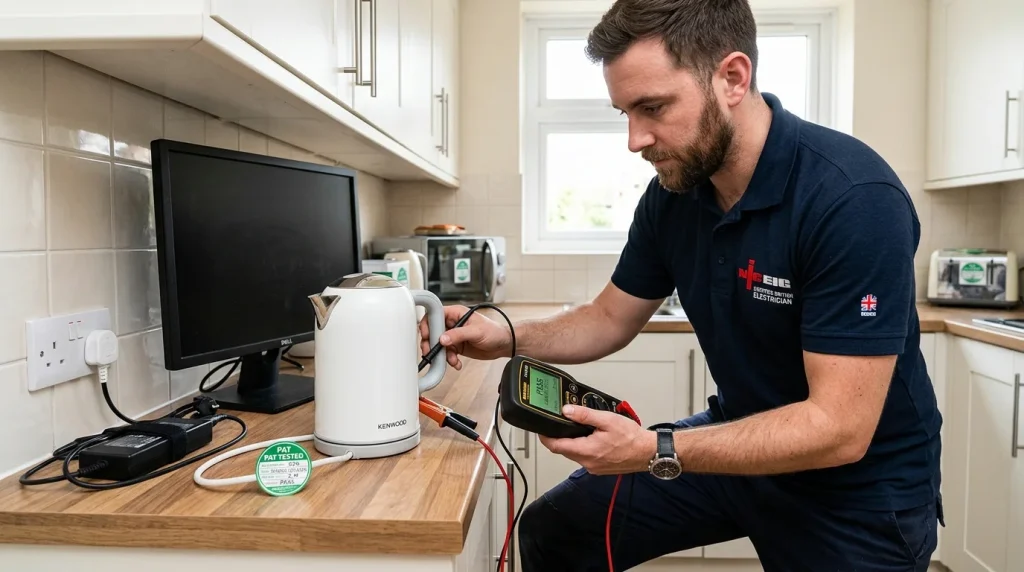
Electrical Installation Condition Report (EICR)

Identify faulty wiring, prevent hazards, and meet legal safety requirements.

Asbestos Management Surveys

Professional surveys and safe removal services to ensure your property is free from dangerous asbestos materials.

Faqs

Common Questions

Everything you need to know about property safety compliance, certificates, and our process.

Yes, absolutely. UK law mandates that property owners must have valid Gas Safety (CP12), Electrical Installation (EICR), and Energy Performance (EPC) certificates for all rental properties. Fire Risk Assessments are also legally required for HMOs (Houses in Multiple Occupation) and the common areas of flats. Failure to comply can result in heavy fines, legal action, or even invalidated insurance.

  • Gas Safety (CP12): Annually (every 12 months).

  • EICR (Electrical): At least every 5 years for rental properties. More frequent inspections may be recommended based on the age and condition of the electrical installations.

  • EPC: Valid for 10 years.

  • Fire Risk Assessment: Recommended annually or whenever there is a significant change to the property or occupancy.

CP12 is the standard Gas Safety Record for residential rental properties. A CP42 is specifically for commercial properties, such as offices, shops, and pubs. Both require annual inspections but are tailored to different property types.

If a property fails, we provide a detailed report clearly outlining the remedial actions needed. Any issues identified will be categorised in the report:

  • C1 (Danger Present): Immediate action required.

  • C2 (Potentially Dangerous): Urgent action required.

  • C3 (Improvement Recommended): Remedial action is recommended to improve safety.

Our engineers will guide you on the next steps to fix the issues. Once resolved, we can quickly return to re-inspect and issue your certificate so you remain fully compliant.

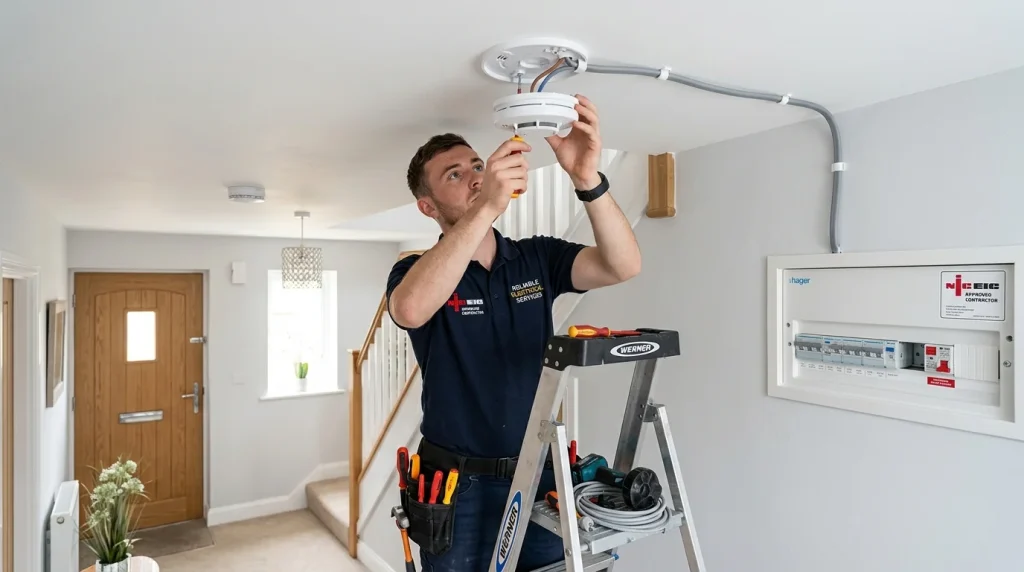
Yes. It is a legal requirement that fire detection equipment is provided for each property, with:

  • One working smoke alarm in the room most used by tenants.

  • One smoke alarm in every circulation space.

  • A heat alarm in every kitchen.

  • Carbon monoxide (CO) alarms must be installed in the same room as any appliance that burns solid fuel (e.g., wood burner or coal fire).

Alarms should not be considered a replacement for annual gas safety and maintenance inspections.

If you are in charge of a structure — such as an owner, employer, or occupant of a property that isn’t a single private dwelling — you are legally responsible for ensuring that a competent person completes a fire risk assessment. This includes:

  • Property owners

  • Building managers

  • Managing agents

  • Occupiers

Additionally, if you employ five or more people at your location, you must have a written record of your fire risk assessment.

A proper fire risk assessment systematically examines five key areas:

  1. Identify potential fire hazards (ignition sources, combustible materials).

  2. Identify people who are at risk (tenants, visitors, vulnerable individuals).

  3. Evaluate, remove, or reduce the risks.

  4. Create a report with findings, an emergency plan, and training.

  5. Review and update the fire risk assessment regularly.

Yes, fire risk assessments are absolutely a legal requirement for flats in the UK. The Regulatory Reform (Fire Safety) Order 2005 requires responsible persons typically the building owner, landlord, or managing agent  to conduct suitable fire risk assessments covering all common areas, including entrance halls, stairways, corridors, lift lobbies, bin storage areas, and plant rooms. Individual flats themselves fall outside these requirements when occupied by single families. However, Houses in Multiple Occupation (HMOs) require fire risk assessments for the entire building, including individual rooms.

We offer next-day appointments across all our coverage areas. Whether it’s a last-minute tenancy change or an urgent renewal, we prioritise your schedule and work around your availability.

We currently provide services across London, Buckinghamshire, Bedfordshire, Northampton, and Cambridge. If you’re just outside these zones, contact us anyway we may still be able to arrange a visit.

Scroll to Top
0