How Often Do You Need a Gas Safety Check? Landlord Guide

If you’re a landlord with gas appliances in a rental property, you need a gas safety check every 12 months  no exceptions. Missing this deadline isn’t just a paperwork issue; it’s a legal breach that can put your tenants at risk and expose you to enforcement action. This guide explains exactly how the 12-month rule works, what counts as “on time,” and what to do if you’ve let a check lapse.

The 12-Month Rule Explained

Every landlord who lets a property with a gas appliance, boiler, or gas-supplied system must have a Gas Safe registered engineer carry out a gas safety check at least once every 12 months. This isn’t a rolling calendar-year requirement it’s tied to the date of your last inspection, not the 1st of January.

If your last check was on 14 March, your next one is due on or before 14 March the following year.

Can You Renew Early Without Losing Time?

Yes. If you book your gas safety check up to two months before the current certificate expires, the new certificate’s 12-month validity starts from the original expiry date, not the new inspection date. This means you don’t lose any time by renewing early — and it’s the safest way to avoid accidentally lapsing.

For example, if your certificate expires on 1 June and you get your new check done on 15 May, your new certificate will still run until 1 June the following year, not 15 May.

What Happens If You Miss the Deadline?

If your gas safety check lapses, you are in breach of your legal obligations as a landlord from that point onward. This can result in:

  • Local authority enforcement action
  • Fines
  • Invalidated landlord insurance in the event of a gas-related incident
  • Difficulty during tenancy deposit disputes, since an expired certificate can be used as evidence of non-compliance
  • Serious risk to tenant safety from undetected faults, leaks, or carbon monoxide

If you’ve missed your renewal date, the right move is to book a check immediately rather than wait — a short gap is far better than an extended one.

Do New Tenancies Reset the Clock?

No. The 12-month cycle is based on the property’s gas safety check history, not the tenancy. If you have a new tenant moving in partway through an existing 12-month cycle, you don’t need a new check just because of the tenancy change — but you must give the new tenant a copy of the current valid certificate before they move in (or within 28 days of the check, if the check happens after they’ve moved in).

What If a Property Sits Empty Between Tenancies?

Landlords are still required to keep gas safety checks up to date on any property with a live gas supply and appliances, even during void periods between tenants. If the property will be empty for an extended time, some landlords choose to have the gas supply capped, but this should be discussed with a Gas Safe registered engineer.

Setting Up a System So You Never Miss One

Most missed gas safety checks aren’t intentional — they’re the result of poor tracking, especially for landlords managing multiple properties. A simple approach:

  • Book your renewal as soon as the previous certificate is issued, using a calendar reminder set two months before expiry
  • Keep a single record (spreadsheet or property management tool) listing every property and its next due date
  • Use a provider who reminds you proactively before your renewal is due

At Smart Property Checks, we can help set up a renewal reminder so you’re never caught out by a missed deadline. If you’re not sure when your last check was carried out or when your next one is due, our team can help you check your records and get compliant quickly.

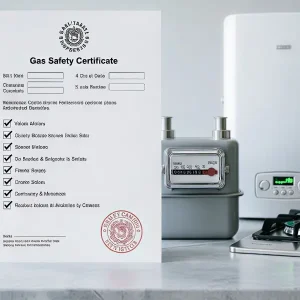
For a full breakdown of what’s involved in the inspection itself, see our Gas Safety Certificate Guide.

Common Questions

At least once every 12 months, from the date of the previous check.

Yes — renewing up to two months early keeps your certificate’s 12-month validity running from the original expiry date, not the new check date.

You are in breach of your legal duties as a landlord, which can result in enforcement action, fines, and increased liability if an incident occurs.

No, but you must provide the new tenant with a copy of the current valid certificate before or shortly after they move in.

Yes, if the gas supply remains connected. Some landlords choose to have the supply capped during extended void periods instead.

Book your gas safety inspection

Smart Property Checks provides landlord gas safety inspections and property-compliance services across London, Buckinghamshire, Bedfordshire, Northamptonshire and Cambridgeshire.

Book your landlord Gas Safety Certificate before the current record reaches its renewal deadline.

Managing several properties or certificates? Contact Smart Property Checks for help arranging your inspections.

Related Blogs

How Often Do You Need a Gas Safety Check? Landlord Guide
Gas Safety

How Often Do You Need a Gas Safety Check? Landlord Guide

Home If you're a landlord with gas appliances in a…

Learn More
Gas Safety Check vs Boiler Service: What Landlords Need to Know
Gas Safety

Gas Safety Check vs Boiler Service: What Landlords Need to Know

Home Many landlords assume that a gas safety check and…

Learn More
Gas Safety Certificate Guide: Landlord Legal Requirements Explained
Gas Safety

Gas Safety Certificate Guide: Landlord Legal Requirements Explained

Home Gas Safety Certificate Guide: Landlord Legal Requirements Explained Owning…

Learn More
Scroll to Top
0