EPC Certificate Guide: What UK Landlords and Homeowners Need to Know

An EPC certificate – or Energy Performance Certificate – shows how energy efficient a building is, rating it from A to G. If you are selling or renting a property in the UK, you are legally required to have a valid domestic EPC before you market it. This guide explains what an EPC covers, how much it costs and what the ratings mean.

For the official guidance, see GOV.UK energy performance certificates.

What is an EPC certificate?

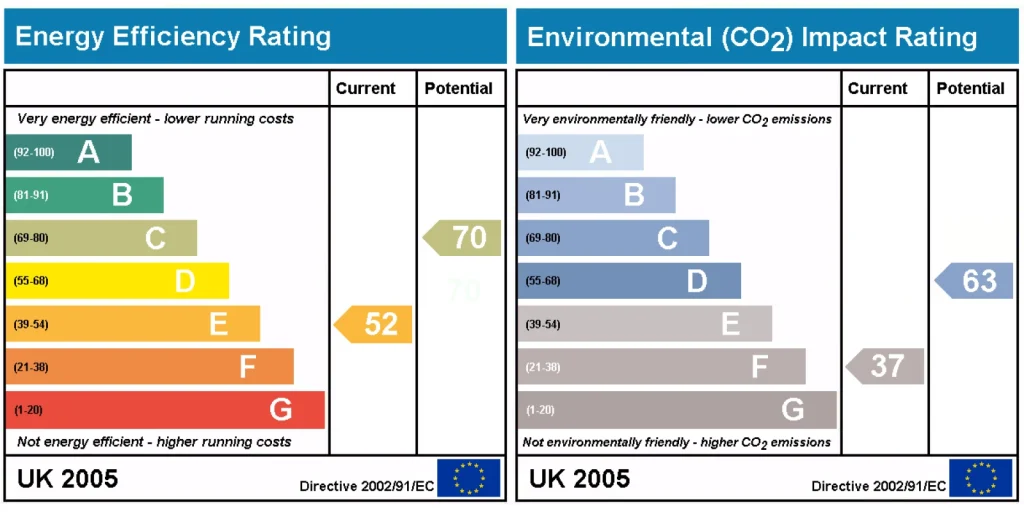
An Energy Performance Certificate is an official document that rates the energy efficiency of a property on a scale from A (most efficient) to G (least efficient). It also includes an environmental impact rating, an estimate of running costs and recommendations for improving the property.

Do I legally need an EPC?

Yes, in most cases. In England and Wales you must have a valid EPC to sell or rent a property, and the certificate must be given to the buyer or tenant. From 2025, new tenancies of homes in England generally need an EPC rating of C or better. Landlords who let a property without a valid EPC face a penalty notice.

  • Insulation levels in walls, floors and the roof
  • Type and efficiency of the heating system
  • Windows and glazing
  • Lighting
  • Estimated energy running costs

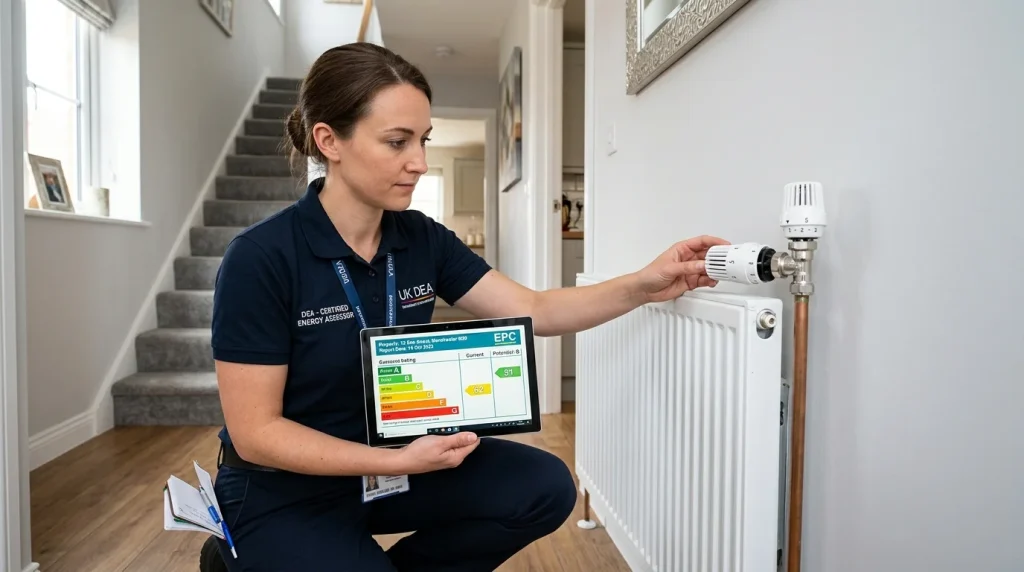
The certificate is produced by an accredited Domestic Energy Assessor using a standard government methodology. The assessor visits the property, takes measurements and records the features that affect efficiency.

How much does an EPC cost?

A domestic EPC typically costs between £50 and £120 depending on the size of the property. A valid certificate lasts for 10 years, so the cost is spread over that period. You can get a quick, affordable domestic EPC or a commercial EPC for business premises.

Book Your Property Safety Certificate Online

Next-day inspection slots available across London and Home Counties. Fast 24-hour digital PDF certificate delivery by accredited Gas Safe, NICEIC and IFE registered engineers.

What EPC rating do I need?

How is an EPC rating calculated?

To sell a home there is no minimum required rating, but buyers increasingly expect an efficient property. To let a home you currently need an E rating to rent legally, and the government is raising the minimum to C for new tenancies. Checking your current certificate before listing is essential.

Domestic and commercial EPCs

The energy rating is calculated using a standard assessment procedure that looks at the fabric of the building, the heating and hot water system, lighting, and renewable technologies. The result is expressed as a number that is then mapped onto the A to G bands.

What happens during an EPC assessment?

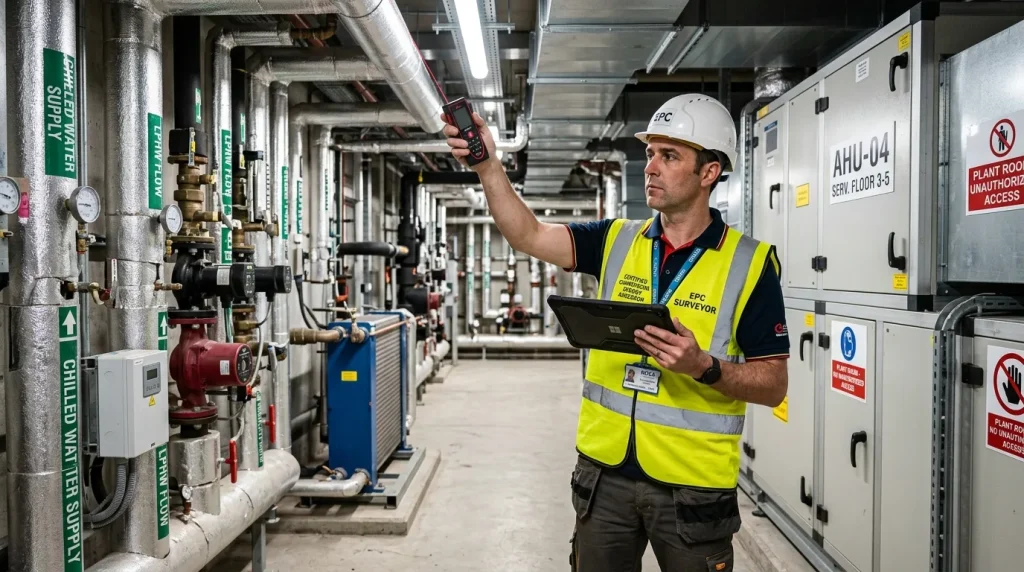
Residential properties need a domestic EPC, while offices, shops and industrial units need a commercial EPC. The two assessments use different methodologies and different assessors. If your business occupies commercial space, a commercial EPC is required before marketing it for sale or lease.

EPC ratings A to G explained

The assessor measures the property, records the construction type, checks the heating and hot water arrangements and notes the insulation and glazing. The visit usually takes around 30 to 45 minutes and does not disrupt your day.

Why choose Smart Property Checks?

Smart Property Checks provides accredited assessors who complete your EPC quickly and issue the certificate on the government register. We explain the rating in plain English and recommend the most cost-effective improvements. Contact our team to arrange your assessment.

The booking process

  1. Select the correct EPC service for your property or request a quote
  2. Choose a convenient appointment slot
  3. An accredited assessor visits and records the property details
  4. You receive your EPC certificate, valid for 10 years

Book your EPC today with Smart Property Checks and get a fast, compliant certificate at a fair price.

Common Questions

An Energy Performance Certificate rates a building from A to G on energy efficiency and environmental impact. It includes running-cost estimates and improvement recommendations.

An EPC is valid for 10 years from the date of issue. After that you need a new certificate before selling or renting the property.

Anyone selling or renting a property in the UK needs a valid EPC before marketing it. Commercial buildings also need a certificate when sold or let.

A domestic EPC usually costs between £50 and £120 depending on property size. Commercial EPCs cost more because the assessment is more detailed.

To rent a home legally in England and Wales the property must have a rating of at least E, rising to C for new tenancies under tightening government rules.

A domestic EPC assessment visit usually takes around 30 to 45 minutes, depending on the size and layout of the property.

An EPC does not pass or fail. It provides a rating from A to G, but a low rating can stop you selling or renting until the property is improved.

Domestic EPCs assess homes using a domestic methodology, while commercial EPCs assess offices, shops and industrial premises using different assessment rules.

Adding loft and cavity-wall insulation, upgrading the boiler, fitting energy-efficient lighting and installing double glazing are the most effective ways to move up the EPC bands.

Book your EPC with Smart Property Checks

Whether you are selling, buying or letting, a valid EPC certificate keeps you compliant and helps your property stand out. Book your assessment today with Smart Property Checks.

Arrange your EPC and receive a clear, professional certificate at a competitive price.

Scroll to Top
0