Smoke and Carbon Monoxide Alarms: Landlord Legal Requirements

Smoke and carbon monoxide alarms save lives, and for landlords they are a legal requirement. The rules say exactly which smoke and carbon monoxide alarms you must fit, where they go, and how often they must be checked. This guide sets out the smoke alarm rules for landlords so you can stay compliant and keep your tenants safe.

For the official guidance, see GOV.UK smoke and carbon monoxide alarm rules.

What are the smoke alarm rules for landlords?

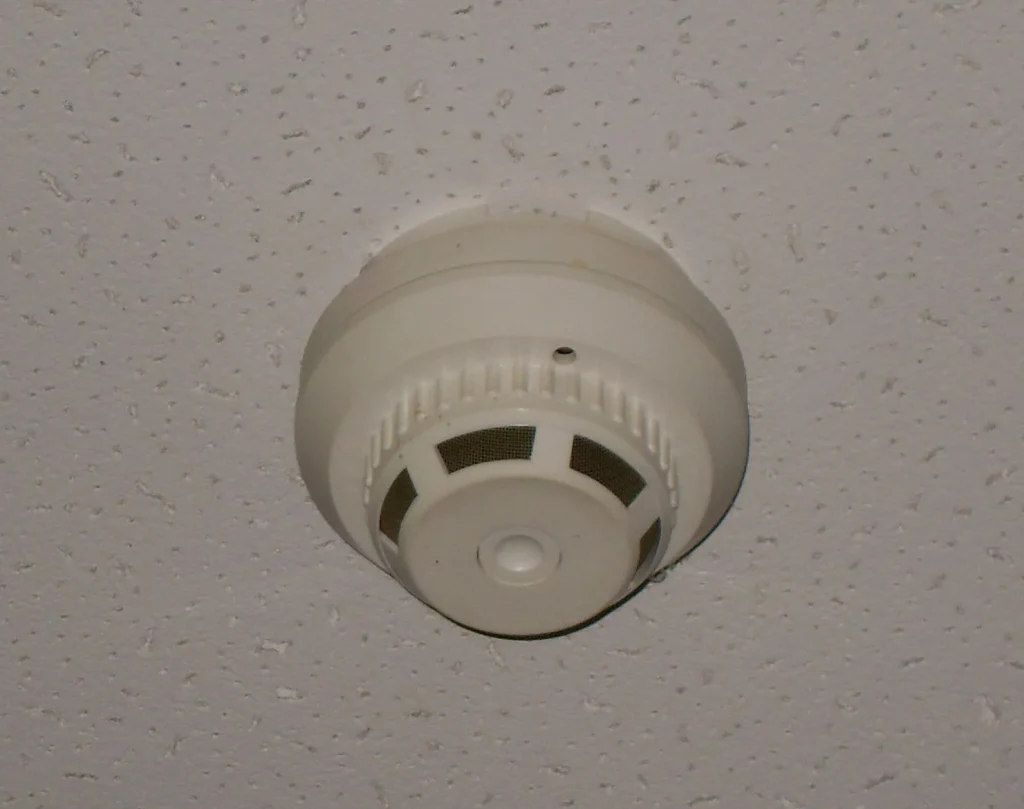
In England, every rented home must have at least one smoke alarm on each storey where the property is occupied. The alarms must be fitted at the start of every new tenancy, and you must make sure they are in working order throughout the tenancy.

When is a carbon monoxide alarm required?

A carbon monoxide alarm must be fitted in any room that contains a solid fuel burning appliance, such as a coal fire, log burner or wood stove. From October 2025 the rules also extend to rooms with gas appliances, so more rental properties than ever now need a CO alarm.

  • Smoke alarm on every occupied storey
  • CO alarm in rooms with solid fuel or gas appliances
  • Alarms tested and in working order at the start of each tenancy
  • Faulty alarms repaired or replaced promptly

The landlord is responsible for making sure the alarms are fitted and work at the start of the tenancy. Tenants should report any alarm that beeps or fails so you can fix it quickly.

What type of alarms should landlords fit?

Choose alarms that meet the required British Standard and fit for purpose in the location. Interlinked alarms are recommended because when one sounds they all sound, giving tenants more warning. Sealed long-life alarms reduce maintenance and the risk of tampering.

Book Your Property Safety Certificate Online

Next-day inspection slots available across London and Home Counties. Fast 24-hour digital PDF certificate delivery by accredited Gas Safe, NICEIC and IFE registered engineers.

How often should alarms be tested?

What happens if a landlord does not comply?

Test the alarms before every new tenancy begins and encourage tenants to test them monthly using the test button. Any alarm that is damaged, expired or no longer working must be replaced before the next tenancy.

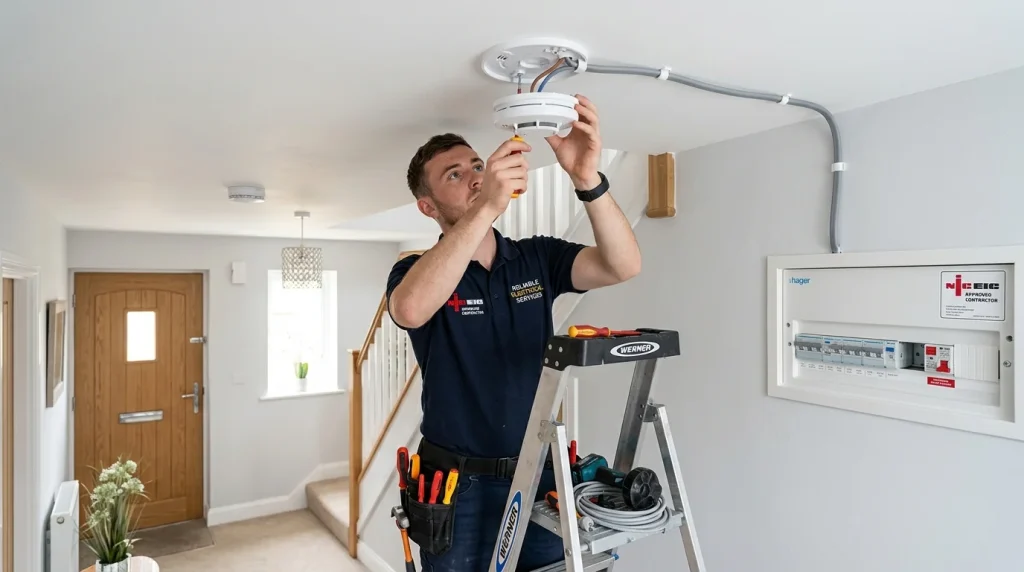
What does an alarm installation involve?

Enforcement is taken seriously. Local councils can fine landlords up to £5,000 per breach for failing to fit or maintain required alarms. Beyond the fine, a fire in a property without working alarms can lead to far more serious consequences.

Smoke and carbon monoxide alarms for homeowners

A qualified engineer installs the correct alarms in the right positions, tests them and shows you how they work. Where mains-powered alarms are needed, the installation is carried out safely to current electrical standards. You can see the details on our smoke and CO alarm installation service.

Alarms and other safety checks

Even outside a rental situation, working alarms are the simplest way to protect a household. Fitting alarms on every floor and checking them regularly is recommended in every home, and it can also protect your insurance position.

Why choose Smart Property Checks?

Smart Property Checks fits and maintains the right alarms for your property, so you meet the rules without guesswork. We explain your duties and keep the paperwork simple. Contact our team to arrange installation.

The booking process

  1. Select the smoke and CO alarm installation service
  2. Choose a convenient appointment slot
  3. An engineer fits and tests the alarms in the right positions
  4. You receive confirmation and guidance for your tenants

Book your alarm installation today with Smart Property Checks and keep every tenancy safe and compliant.

Common Questions

Yes. In England every rented home must have a working smoke alarm on each occupied storey, fitted at the start of each new tenancy.

Yes. A CO alarm is required in any room with a solid fuel burning appliance, and from October 2025 the requirement extends to rooms with gas appliances.

The landlord must ensure alarms are in working order at the start of the tenancy. Tenants should test them monthly and report any faults.

Smoke alarms have a limited lifespan, typically around 10 years. Replace any alarm that is expired, damaged or no longer functioning.

Local councils can fine landlords up to £5,000 per breach for failing to comply with the alarm requirements.

Yes. Each occupied storey needs a working smoke alarm, including basements and loft conversions that are used.

Fit a carbon monoxide alarm that meets the appropriate British Standard, and choose mains-powered or long-life alarms where practical.

Battery alarms can be installed easily, but mains-powered alarms must be fitted by a qualified electrician to stay compliant with electrical safety rules.

Yes, and houses in multiple occupation have even stricter requirements, including additional alarms, detection systems and periodic checks.

Book your smoke and CO alarm installation with Smart Property Checks

Meet your legal duties and give your tenants the protection they need. Book your smoke and CO alarm installation with Smart Property Checks today.

Arrange your alarm installation and let our engineers handle the rest.

Scroll to Top
0