PAT Testing Guide: What It Is, Frequency and Legal Requirements

PAT testing – short for portable appliance testing – is the inspection and testing of electrical equipment to make sure it is safe to use. While the name is well known, many landlords and business owners are unsure what it covers or how often it is needed. This guide explains PAT testing in plain English and sets out your legal duties.

For the official guidance, see HSE portable appliance testing FAQs.

What is PAT testing?

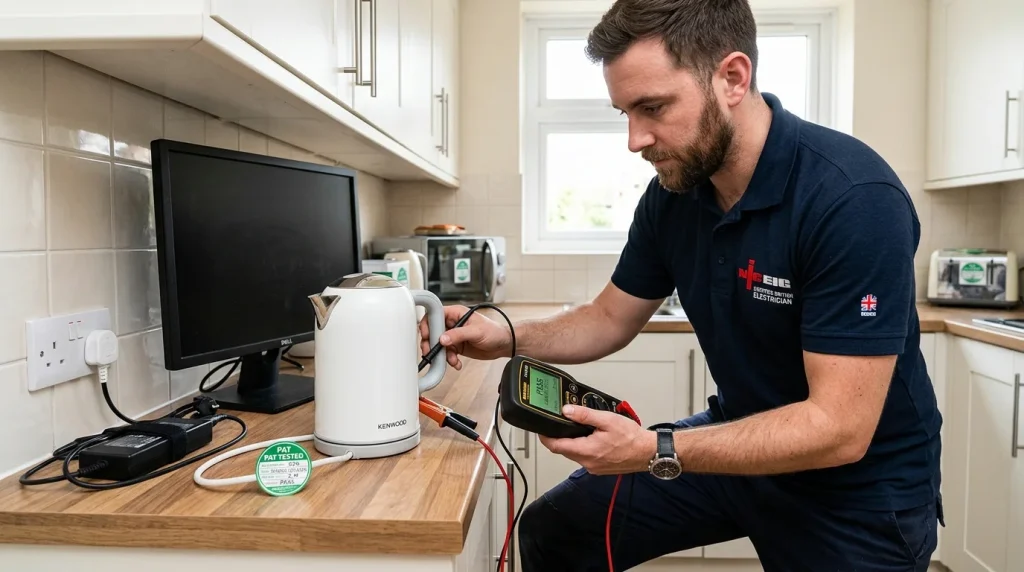
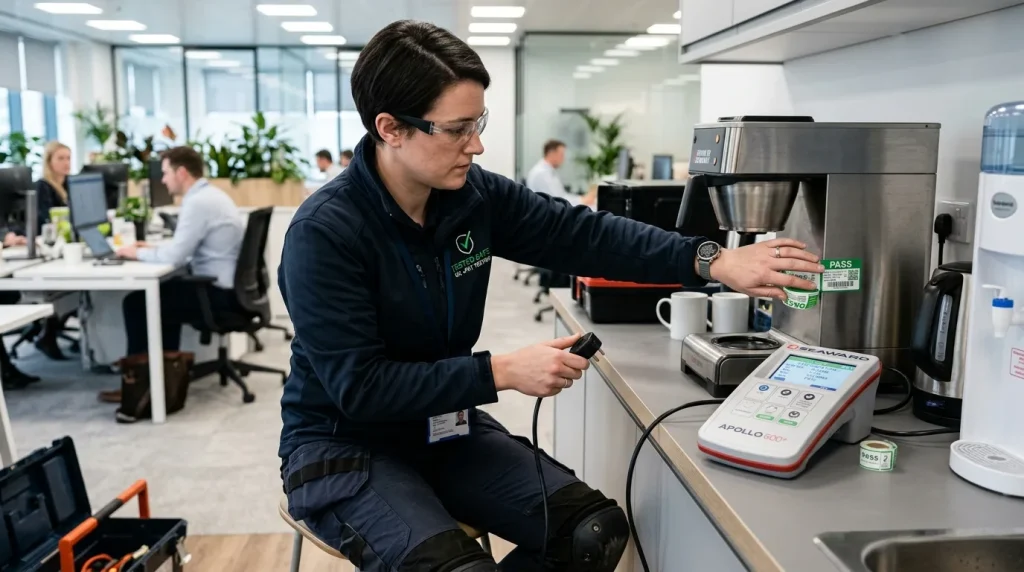
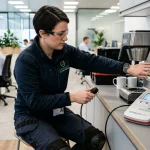
Portable appliance testing involves a trained electrician inspecting electrical appliances for damage and carrying out electrical tests to confirm the equipment is safe. Each appliance is given a pass or fail result and recorded on a PAT testing certificate.

Is PAT testing a legal requirement?

There is no single law that says PAT testing must be done, but the Electricity at Work Regulations 1989 require you to maintain electrical equipment in a safe condition. PAT testing is the recognised way to prove you have done this, and it forms part of your wider duty under the Health and Safety at Work Act.

  • Formal visual inspection of cables, plugs and casings
  • Earth continuity test
  • Insulation resistance test
  • Polarity check
  • Clear pass or fail label on every item

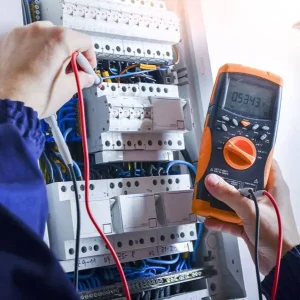
A qualified and competent person carries out the work using calibrated testing equipment. The results are recorded so you can demonstrate your equipment has been maintained safely.

How often should PAT testing be done?

The frequency depends on the environment and the type of equipment. Offices and shops commonly use a 12-month cycle, while some low-risk items can be extended to two or four years. Your electrician will recommend a sensible schedule for your business after the first test.

Book Your Property Safety Certificate Online

Next-day inspection slots available across London and Home Counties. Fast 24-hour digital PDF certificate delivery by accredited Gas Safe, NICEIC and IFE registered engineers.

Who needs PAT testing?

What does a PAT test cost?

Landlords providing furnished accommodation, employers with portable equipment, and anyone running a public or commercial space should arrange regular testing. If an appliance causes an incident and you cannot show it was tested and maintained, you could face serious penalties.

What happens during a PAT test?

Testing is priced per item, with a minimum charge for a call-out. The exact cost depends on how many appliances you have and how long the visit takes. You can view our PAT testing service for a straightforward price and clear report.

PAT testing for landlords

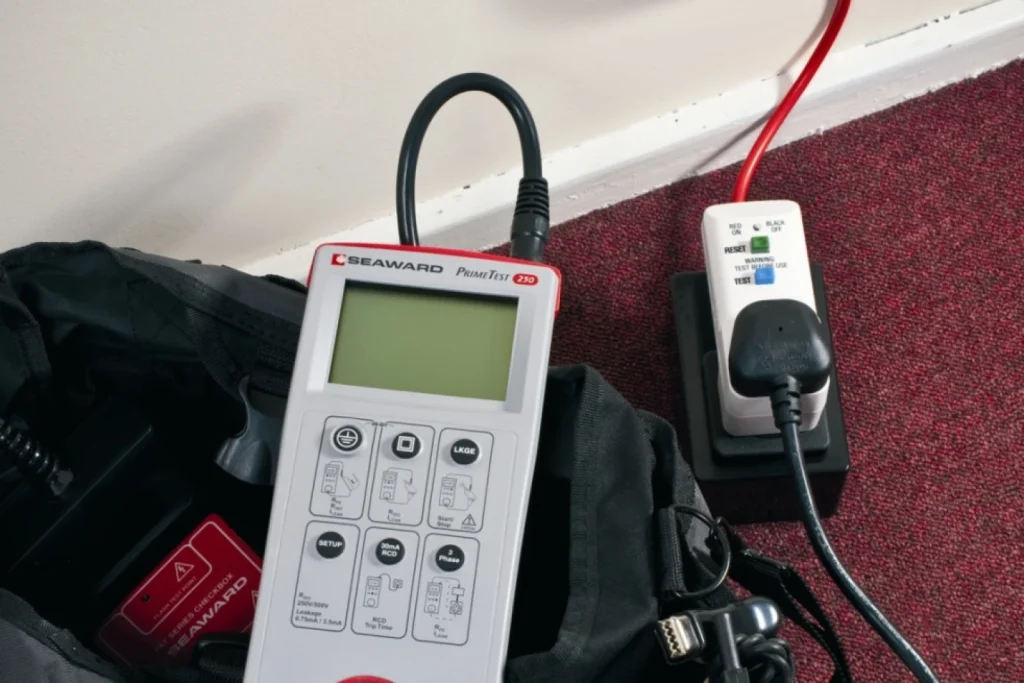
The electrician inspects each appliance visually, then plugs it into a testing device that checks the electrical safety of the wiring inside. Every item is labelled with the result and you receive a certificate summarising the findings.

PAT testing for businesses

If you let a furnished property, the appliances you supply should be tested and maintained so tenants are safe. PAT testing complements your other duties such as the EICR and electrical safety checks that cover the fixed wiring.

Why choose Smart Property Checks?

Smart Property Checks uses qualified electricians who test equipment thoroughly and explain every result. You get a clear certificate and practical advice on anything that needs attention. Contact our team to arrange your PAT testing.

The booking process

  1. Select the PAT testing option that matches the number of items
  2. Choose a convenient appointment slot
  3. A qualified electrician tests and labels each appliance
  4. You receive your PAT testing certificate and report

Book your PAT test today with Smart Property Checks and keep your equipment safe and compliant.

Common Questions

Portable appliance testing is the inspection and testing of electrical equipment to confirm it is safe. Each item is visually checked and electrically tested, then labelled with the result.

The law requires electrical equipment to be maintained in a safe condition. PAT testing is the accepted way to demonstrate you have met this duty, so in practice it is expected.

Frequency depends on the environment. Many workplaces use a 12-month cycle, while lower-risk equipment in offices can be tested every two to four years.

Landlords letting furnished property should have appliances they supply tested and maintained so tenants are safe. It sits alongside the EICR for fixed wiring.

Each appliance is visually inspected and connected to a testing device that checks its electrical safety. Items are labelled pass or fail and results are recorded on a certificate.

PAT testing is usually priced per item with a minimum call-out charge. The total depends on the number of appliances to be tested.

PAT testing must be carried out by a competent person with the right training and calibrated equipment. Using a qualified electrician keeps results reliable and defensible.

Yes. Keeping your PAT testing records is important evidence that you have met your duty to maintain equipment safely, and it is often required by insurers.

PAT testing covers portable appliances you plug in, while an EICR checks the fixed wiring of the property. Most landlords and businesses need both.

Book your PAT testing with Smart Property Checks

Keep your portable appliances safe and your paperwork up to date. Book PAT testing with Smart Property Checks and get a clear, professional report.

Arrange your PAT test and let our qualified electricians handle the rest.

Scroll to Top
0