HMO Electrical Safety Requirements: Alarms, Emergency Lighting & PAT

Operating a shared rental property or House in Multiple Occupation (HMO) requires strict adherence to specialized electrical standards. Understanding specific HMO electrical safety requirements is vital for protecting tenants living in multi-occupancy homes and satisfying local council licensing conditions. You can book an Electrical Safety Certificate (EICR) online in minutes.

For official statutory guidance, see GOV.UK PRS electrical safety guidance.

What are the HMO electrical safety requirements for landlords?

Under the Electrical Safety Standards in the Private Rented Sector (England) Regulations 2020 and HMO Management Regulations, HMO electrical safety requirements mandate regular inspections by qualified 18th Edition electricians. Because multiple unrelated households share electrical installations, consumer units face higher load demands and require rigorous protective devices.

Landlords must maintain satisfactory condition reports covering both private bedrooms and shared communal hallways, kitchens, and bathrooms.

Mandatory electrical systems in licensed HMOs

A fully compliant HMO requires several coordinated electrical life-safety installations:

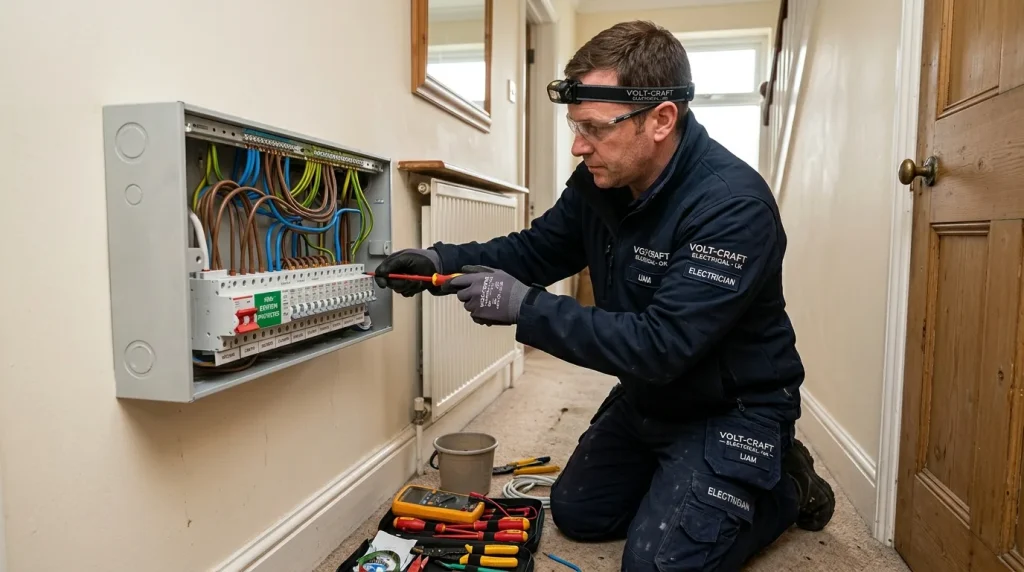
  • 5-Year EICR Inspection: Full testing of all fixed wiring, RCDs, distribution boards, and bonding conductors.
  • Interlinked Fire Alarm System: Grade A (control panel with call points) or Grade D1/D2 LD2 mains-powered smoke and heat detectors.
  • Emergency Escape Lighting: Illuminated escape routes conforming to BS 5266 standards in communal stairwells and corridors.
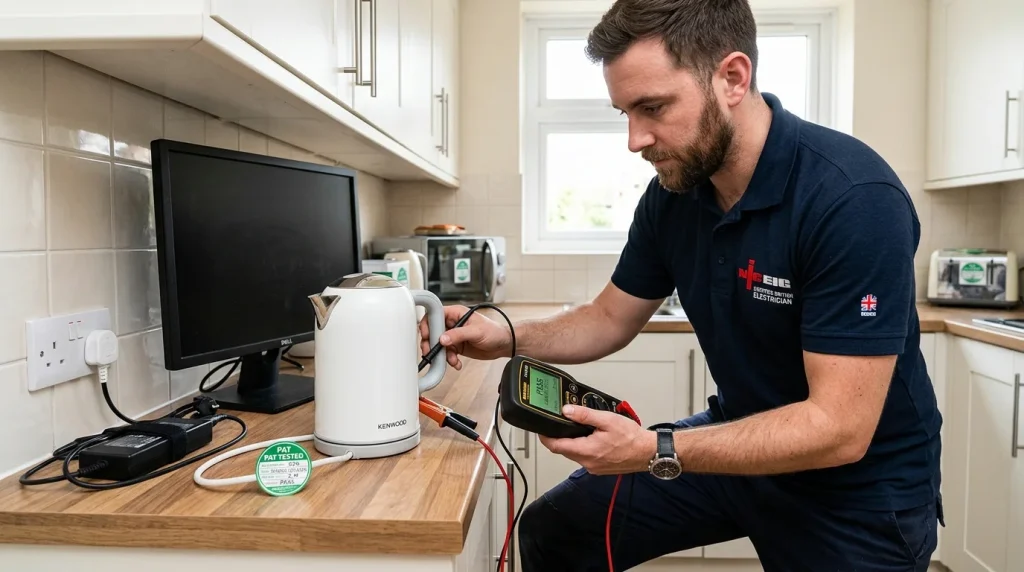
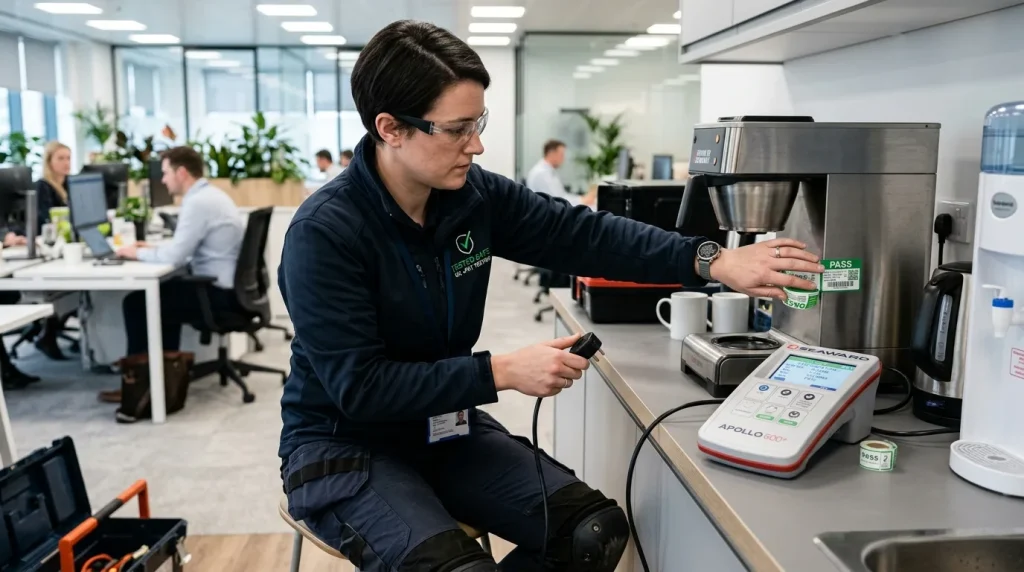
  • Annual PAT Testing: Yearly safety testing for all landlord-provided portable electrical appliances.
  • EICR Retesting: Every 5 years or at change of tenancy if recommended on the inspection report.
  • RCD Protection: Residual Current Devices (30mA) required on all socket and shower circuits.
  • Emergency Light Testing: Monthly functional test and annual 3-hour battery discharge test recorded in a safety logbook.
  • PAT Frequency: Annual 12-month portable appliance testing on communal and room appliances.

Failing to fulfill HMO electrical safety requirements is a breach of HMO licensing conditions. Local authorities can issue civil fines of up to £30,000 per violation, revoke HMO operating licenses, and tenants can claim Rent Repayment Orders (RROs) for up to 12 months of rent.

How long are HMO electrical safety certificates valid?

A satisfactory EICR for an HMO is valid for up to 5 years. PAT certificates and emergency lighting inspection certificates are valid for 12 months from the date of issue.

Book Your Property Safety Certificate Online

Next-day inspection slots available across London and Home Counties. Fast 24-hour digital PDF certificate delivery by accredited Gas Safe, NICEIC and IFE registered engineers.

Critical electrical components inspected during an HMO test

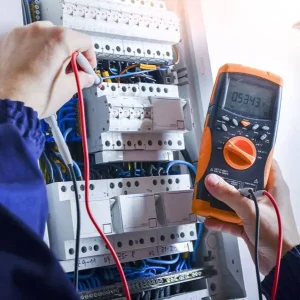
Consumer Unit & RCDs

Verifying modern metal consumer units with dual RCD protection or individual RCBOs on all circuits to prevent electric shocks and fire hazards.

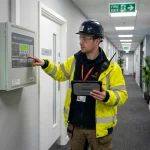
Interlinked Alarm Systems

Testing optical smoke alarms in bedrooms and circulation spaces, heat alarms in kitchens, and carbon monoxide detectors near fuel-burning appliances.

Emergency Escape Lighting

Inspecting emergency luminaires on staircases and exit doors to ensure immediate illumination during main power interruptions.

Communal Appliance Safety

Earth continuity and insulation testing on high-use shared kitchen appliances, washing machines, kettles, microwaves, and vacuum cleaners.

Why choose Smart Property Checks?

Smart Property Checks works with certified NICEIC and NAPIT registered electricians specializing in multi-occupancy residential properties. We complete comprehensive HMO EICRs, emergency lighting testing, and PAT tests in coordinated appointments. Contact our team to book your inspection.

The booking process

  1. Select your HMO electrical inspection service based on room count
  2. We arrange convenient access with your HMO property manager or tenants
  3. A certified electrician carries out all required fixed wiring and safety tests
  4. Receive complete digital certificates ready for council license submission

Book your HMO electrical inspection today with Smart Property Checks and keep your property compliant.

Common Questions

An HMO must undergo a full Electrical Installation Condition Report (EICR) at least once every 5 years by a qualified electrician, or sooner if recommended on the previous report.

Most HMOs require either a Grade D LD2 system (mains-powered interlinked smoke alarms in communal areas and bedrooms) or a Grade A system with a central control panel and call points for larger properties.

Emergency lighting is legally required in all licensed HMOs of two or more storeys and any property where the escape route does not benefit from reliable natural or street illumination.

Yes. Local councils require annual PAT testing for all landlord-supplied portable electrical appliances in HMO bedrooms and communal areas to maintain licensing compliance.

The landlord must complete all required C1, C2, or FI remedial repairs within 28 days and obtain written confirmation of completion from a qualified electrician.

Yes. Existing tenants must receive a copy of the EICR within 28 days of the test, and prospective tenants must receive a copy before occupying the property.

Yes. We offer tailored HMO safety packages combining your 5-Year EICR, PAT testing, Emergency Lighting certification, and Fire Risk Assessment into a single visit.

Book your HMO electrical inspection with Smart Property Checks

Keep your shared rental properties fully compliant with UK HMO regulations. Book your electrical safety inspections with Smart Property Checks and let certified electricians handle your compliance.

Scroll to Top
0